Phone and seat‑belt violation detection
Computer vision that flags phone use and unbuckled belts from roadside cameras, in production across Saudi Arabia since 2018.
- Nationwide
- production deployment
- 24/7
- continuous inference
Cozyplus is a software engineering company with production work in traffic enforcement AI, land and tax administration, and consumer platforms used by hundreds of thousands of people. Every project is delivered with documentation, training and full handover.
| Country | Client | System | Status |
|---|---|---|---|
| Saudi Arabia | Tahakom | Phone and seat‑belt violation detection | In production, nationwide |
| Palestine | Land and Tax Department, Palestine | Digital transformation of the Land and Tax Department | Delivered and handed over |
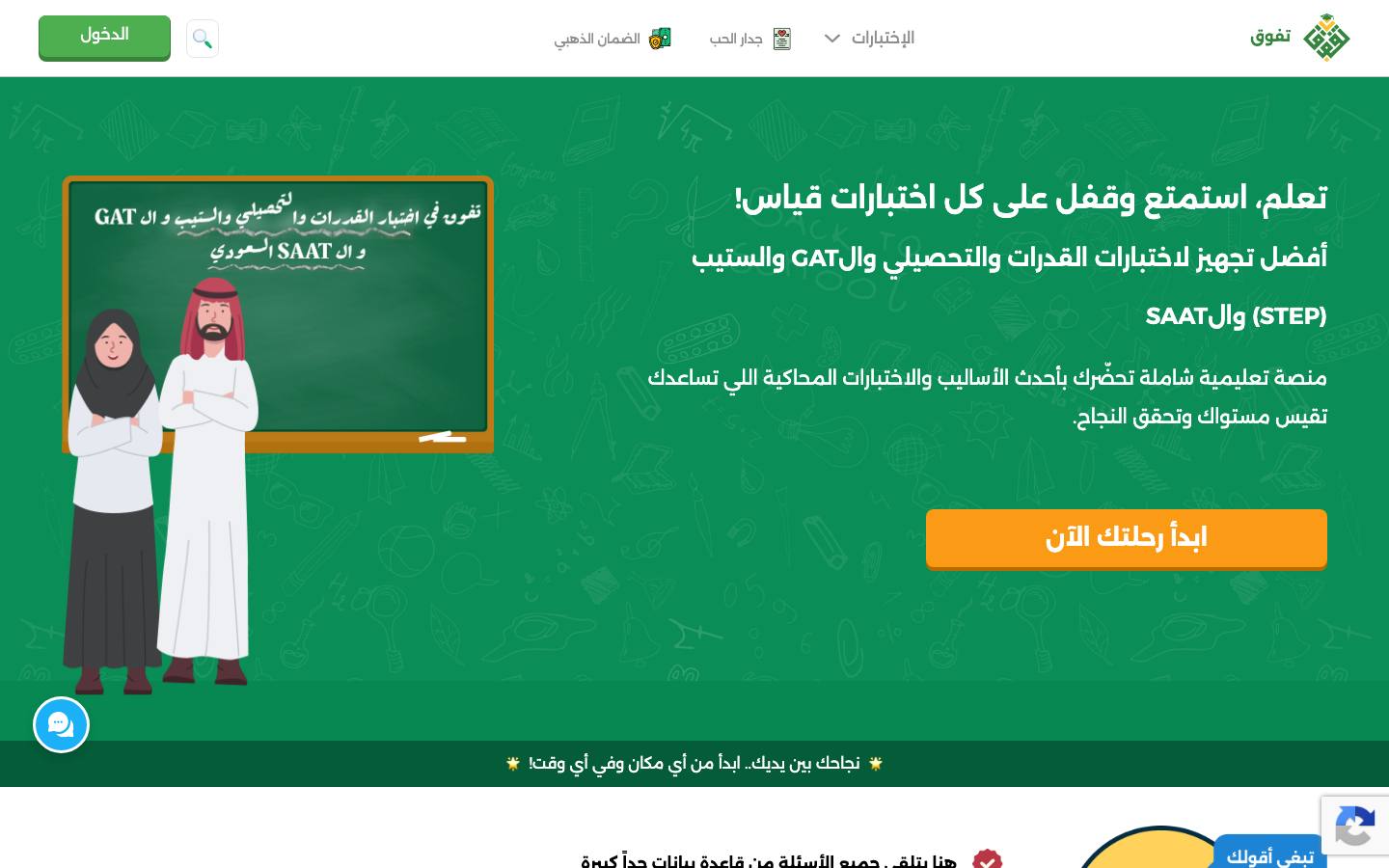
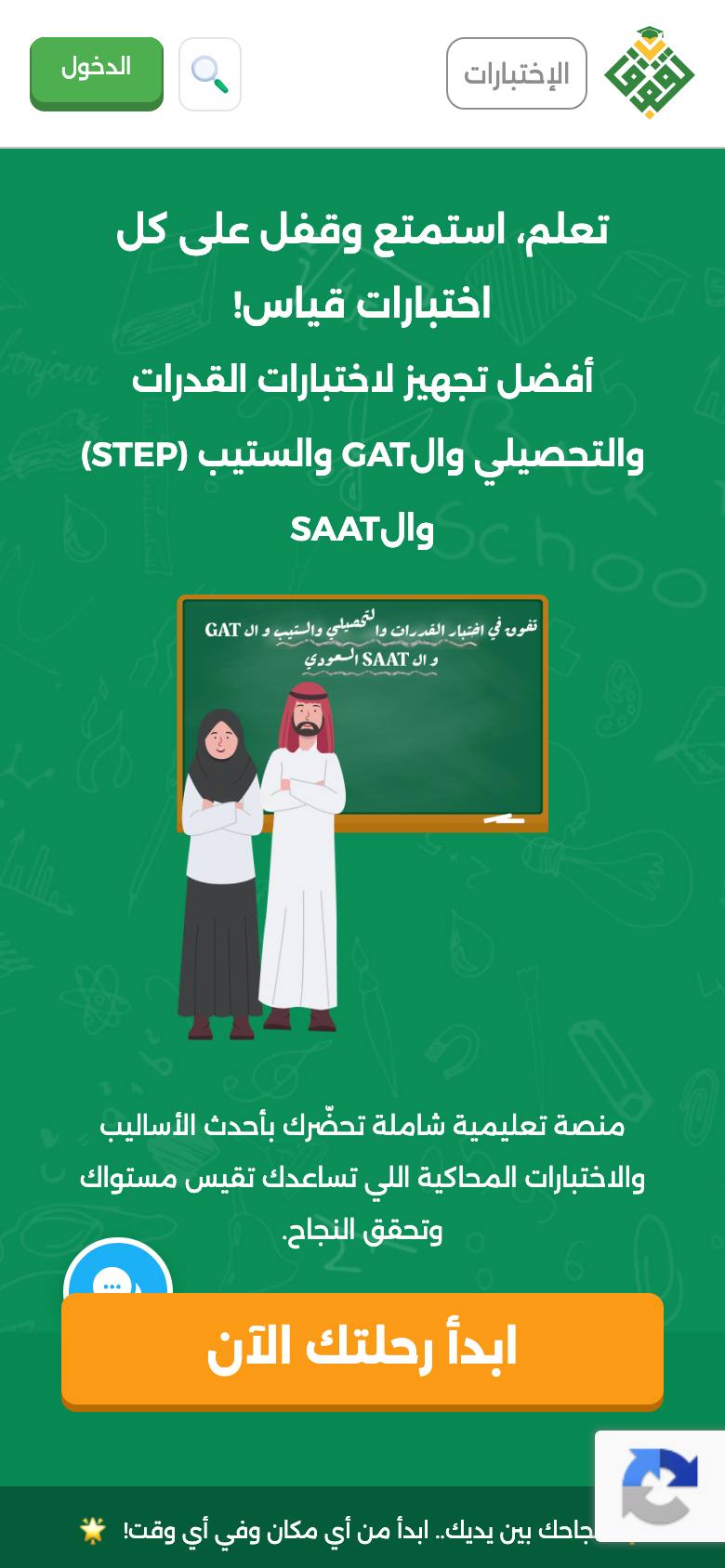
| Saudi Arabia | Own product | Tafawaq | Live — web, iOS, Android |
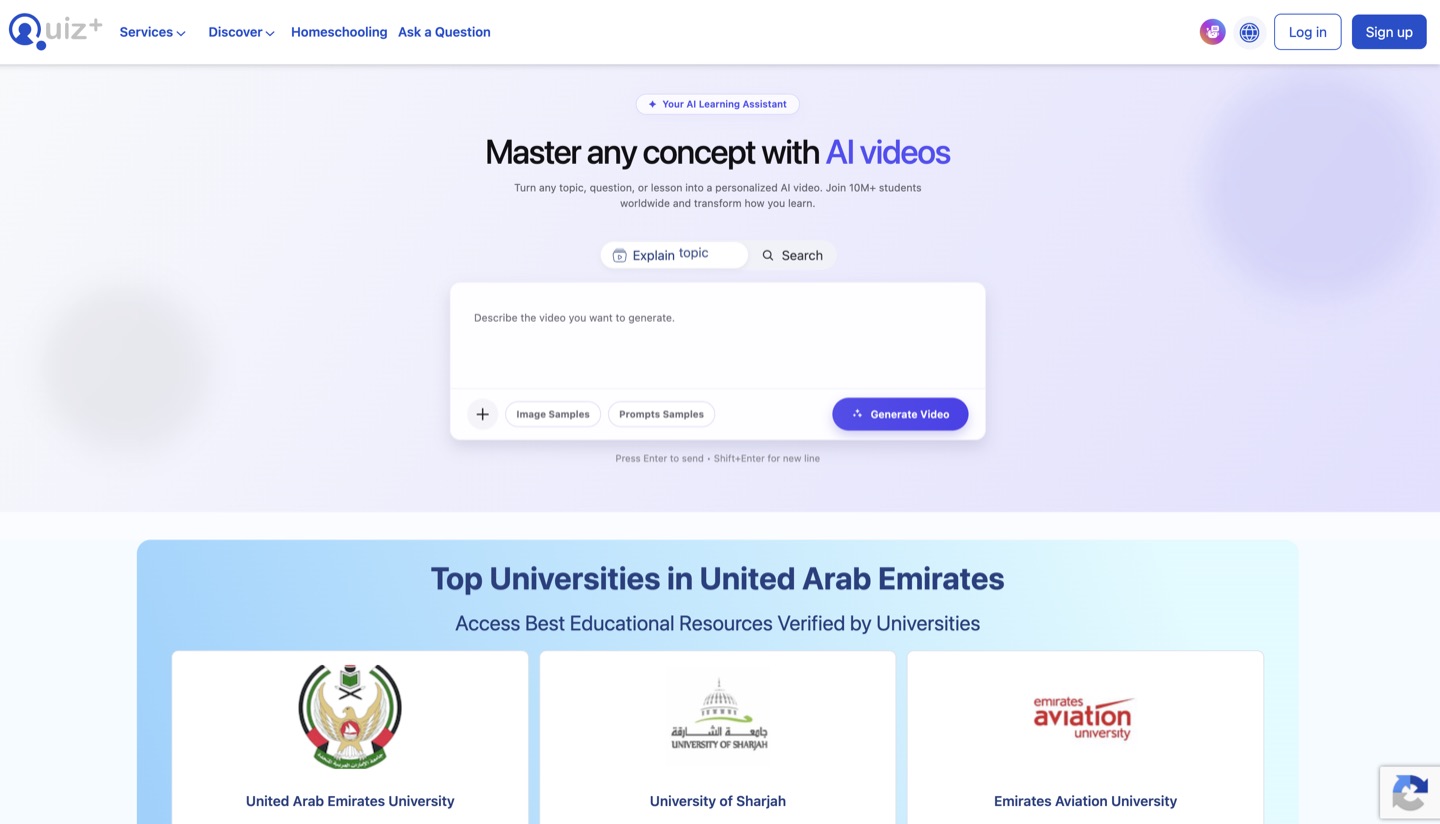
| United States / global | Own product | Quizplus | Live — web and iOS |
Government systems and products we operate ourselves.
Computer vision that flags phone use and unbuckled belts from roadside cameras, in production across Saudi Arabia since 2018.
Paper land and tax records moved into a single secure system with citizen-facing services.
Preparation platform for the Saudi Qudrat and Tahsili exams, used by more than 16,000 students.
AI study platform used by more than 10 million students, covering 30+ fields with AI videos, quizzes, flashcards and textbook solutions.
Auditable decisions, role-based access and complete logs are the default, not a change request. Our traffic-enforcement models attach the frame, model version and confidence to every detection.
We deliver on-premise and in sovereign clouds. Nothing leaves the jurisdiction unless the contract says it can.
Interfaces, documents and support are designed bilingually from day one, with right-to-left layout done properly rather than mirrored at the end.
Source code, infrastructure, documentation and trained staff. The Land and Tax Department runs its system without us.
Four disciplines, one team. Most engagements combine at least two.
Detection, classification and language systems that run in production, on your hardware if needed.
Case management, registries, portals and back-office systems that replace paper and spreadsheets.
Native iOS and Android apps, published and maintained.
We keep running what we build, with response times written into the contract.
Two to four weeks with your team to map processes, data and constraints. You receive a written scope, architecture and estimate you can attach to a tender.
Working software every two weeks, on your infrastructure when required. Your stakeholders see progress rather than status reports.
Security review, load testing and user acceptance with your staff before anything is called done.
Documentation, training and a support agreement with defined response times. You own the code.
What we have learned delivering for the public sector, written for the people who evaluate vendors.
Most proposals say "data stays in the Kingdom". Few say how. Here is the checklist we use before build starts.
A government system should outlive its vendor. These are the items the Land and Tax Department signed off before we stepped back.
Flipping a layout at the end of a project produces software that citizens tolerate. Designing for Arabic from the first screen produces software they use.
Send us the brief or the tender documents. You will hear back from an engineer, not a salesperson, within two working days.